
Common Exterior Painting Mistakes Homeowners Should Avoid

Common Exterior Painting Mistakes Homeowners Should Avoid
A fresh exterior paint job can completely transform a home’s curb appeal, protect it from harsh weather, and even increase long-term value. But exterior painting is also one of those projects where small mistakes can lead to big problems—peeling paint, uneven coverage, bubbling, early fading, and costly repairs. Many homeowners start an exterior painting project with good intentions, only to find that the results don’t last because of missed steps or rushed decisions. Knowing the most common exterior painting mistakes can help you avoid frustration and ensure your home looks great for years.
One of the biggest mistakes homeowners make is skipping proper preparation. Exterior painting is only as strong as the surface underneath it, and painting over dirt, chalky residue, mildew, or peeling layers often leads to poor adhesion and early failure. A clean surface is essential, and areas with loose paint, damaged caulk, exposed wood, or rotting trim need to be addressed before any paint is applied. Without proper prep, even the best paint products won’t perform the way they’re supposed to, and the finish may begin cracking or peeling much sooner than expected.
Another common mistake is using the wrong products or applying paint in the wrong weather conditions. Exterior paint is designed to work within specific temperature and humidity ranges, and applying it outside of those conditions can cause drying problems, streaking, or weak bonding. Homeowners sometimes choose cheaper paint to save money up front, but lower-quality products may fade quicker or fail faster in harsh sun and rain. Primer is another step that’s often overlooked, even though it plays a major role in sealing bare surfaces and creating a stable base for the finish coat to hold. When products and conditions aren’t right, the final result often looks uneven and doesn’t last as long.
Rushing the process is also a major issue, especially when homeowners try to finish quickly or underestimate how long exterior work takes. Painting too soon after power washing, applying coats too thick, or not allowing enough dry time between coats can all lead to bubbling, cracking, or a patchy appearance. The exterior of a home is exposed to constant weather changes, so the paint system needs time to cure properly. Cutting corners may seem like it saves time in the moment, but it often creates more work later and can lead to repainting much sooner than planned.
In the end, the goal of exterior painting is not just to make your home look better—it’s to protect it. Avoiding these common mistakes helps ensure your paint job lasts longer, looks smoother, and holds up through every season. When the work is done professionally, with detailed prep, the right products, and proper timing, the result is a clean, durable finish that enhances your home’s appearance and shields it from weather damage year after year.
Common Exterior Painting Mistakes Homeowners Should Avoid

Why Early Scheduling Matters for Exterior Painting Projects
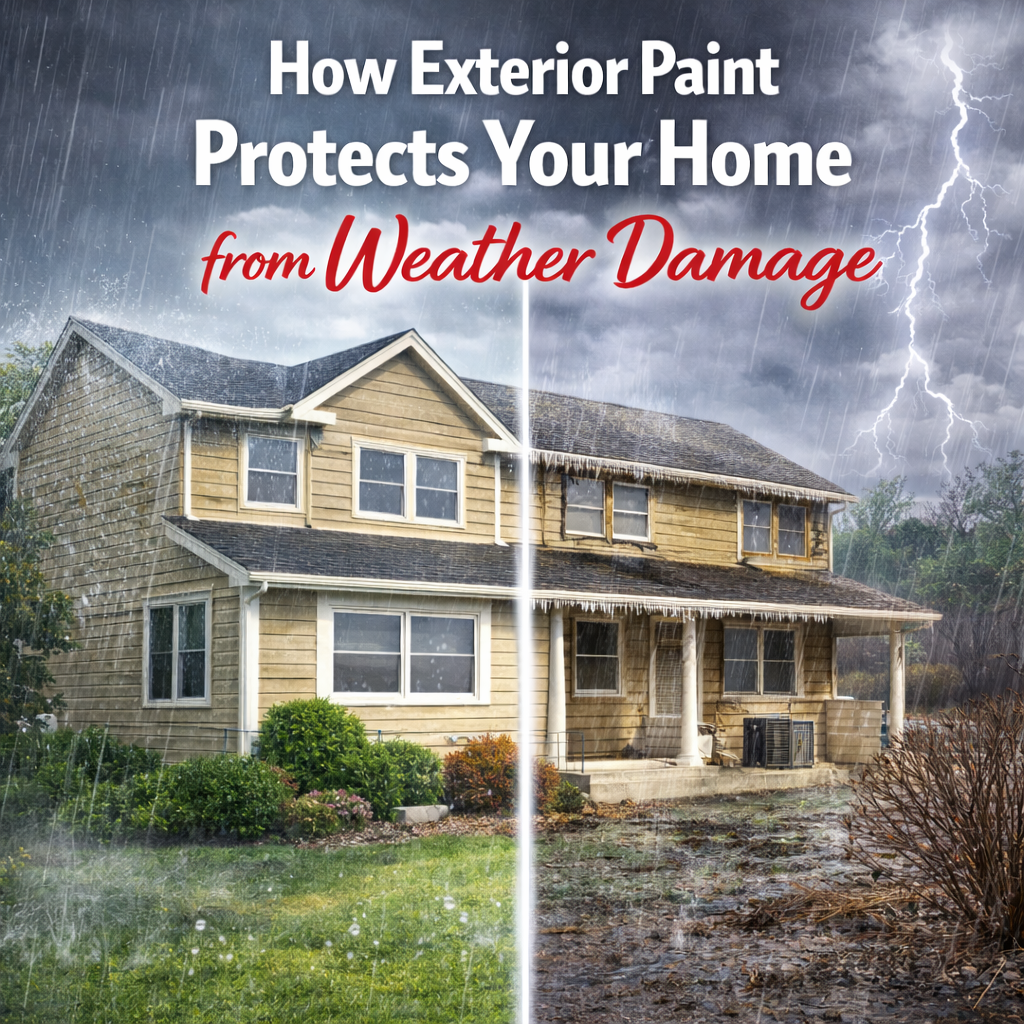
How Exterior Paint Protects Your Home from Weather Damage
